A Message from James Farmer at Twin Springs Creamery
Pause on Pasteurized Milk – Raw Milk Continues
Dear Friends and Partners,
Milking cows and dairying have been a lifelong passion and dream of mine. My family and I began this journey in 2017 with a single cow — one cow milked simply because we believed deeply in local dairy and the connection between farms and community. Since then, Twin Springs Creamery has grown through many seasons of experimentation, learning, and persistence as we worked to find a sustainable way to produce and bottle local milk here in south-central Indiana.
There is a reason very few people choose this path. Dairy farming carries a level of daily commitment unlike almost any other form of agriculture. Cows must be milked every day, regardless of weather, holidays, or circumstances. Beyond caring for animals, producing bottled milk for human consumption involves significant regulatory responsibility, infrastructure, staffing, and constant operational precision. It is meaningful work — but demanding work. Adding a creamery that needs to run nearly daily presents a slew of rewards, yet compounds the complications that will always arise on a dairy farm alone.
As many of you know, our pasteurizer recently experienced a significant mechanical failure and requires extensive repair. During this period, while continuing to milk cows, we were faced with difficult realities about sustainability and balance. Dumping tens of gallons of milk each day (sometimes sixty gallons) while equipment sat idle, clarified how fragile the system had become and how little margin remained for our family and operation.
I remain incredibly proud of the milk we produced together — milk that so many people rediscovered, enjoyed, and in many cases found they could digest again after years away from dairy. Seeing customers reconnect with real milk has been one of the great honors of this work.
With the pasteurizer offline, we made the difficult decision to pause pasteurized milk production and distribution and instead streamline the farm by reducing herd numbers and focusing on the raw milk pet food distribution channel that we were already operating. This transition allows us to keep the farm viable while restoring some sustainability to daily life and labor demands.
This was not a decision made lightly. In many ways, building a creamery had been a personal goal since my time as a student at Indiana University in the 1990s. However, attempting to simultaneously be a present parent and partner, dairy farmer, creamery manager, employer, and full-time professional proved increasingly difficult — especially when unexpected challenges such as equipment failures or staffing transitions arose.
I want to express my deepest gratitude to each of you for believing in Twin Springs Creamery. Your willingness to carry our milk, advocate for local agriculture, and support us as we built the creamery from the ground up made this journey possible. Local food systems only exist because businesses like yours choose to invest in them.
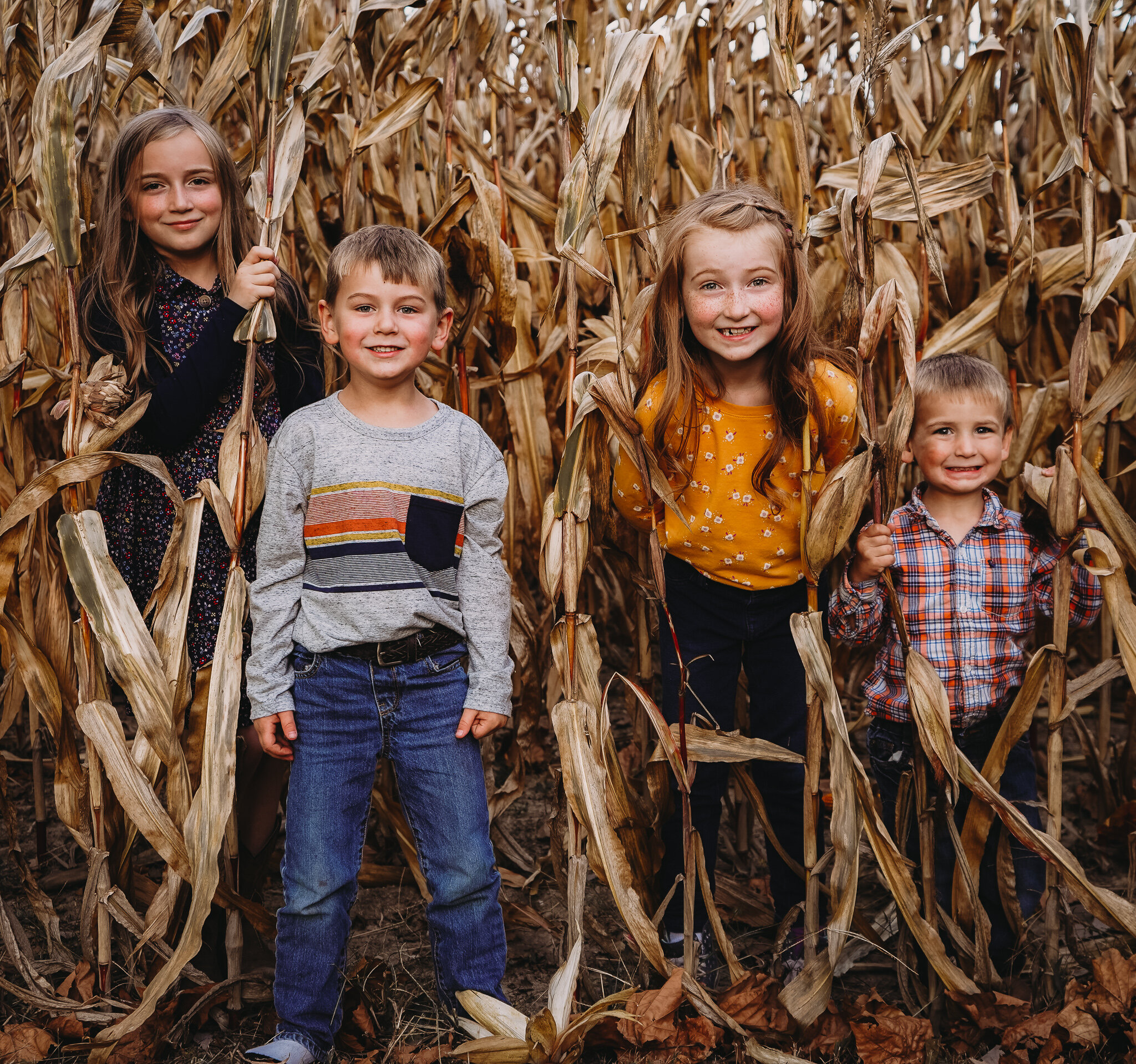
I am especially thankful to my partner, Sara, and our children, whose sacrifices, patience, and hard work made every bottle possible, as well as to our dedicated dairy and creamery team members who showed up day after day in the parlor, the processing room, and the field.
While pasteurized production is now on a long pause, this experience has only strengthened my belief that our community needs a shared, community-scale creamery — one capable of processing milk from two, three, or four local farms rather than relying on a single small operation. Demand consistently exceeded what our farm alone could provide. Even as we expanded herd size, processing days, and product offerings, requests continued to grow for bottled milk, flavored milk, cream, butter, cheese, yogurt, and kefir.
Excellent models already exist — such as Columbia Community Creamery in Spokane, Washington — demonstrating how shared infrastructure can keep dairies viable while meeting community demand. Bloomington and south-central Indiana deserve the same kind of permanent processing solution. If local dairying is to endure, we must rebuild systems to put dairies back on farms while sharing the processing and distribution system- a system that shares the collective vision and voice.
For now, Twin Springs Creamery will continue supplying raw milk pet food through existing channels and direct farm sales. More importantly, we hope this pause represents not an ending, but a transition toward a more durable future for local dairy in our region.
Thank you again for your partnership, encouragement, and belief in what we were trying to build together. We are deeply grateful and will be in touch.
With appreciation,
James Farmer
Twin Springs Creamery
Bloomington, Indiana
PS- Don’t hesitate to reach out to me directly with any questions- twinspringscreamery@gmail.com.