Farmer Stories & Traditions

Fair Trade Producer Stories

Fair Trade Producer Stories

By Fairtrade America
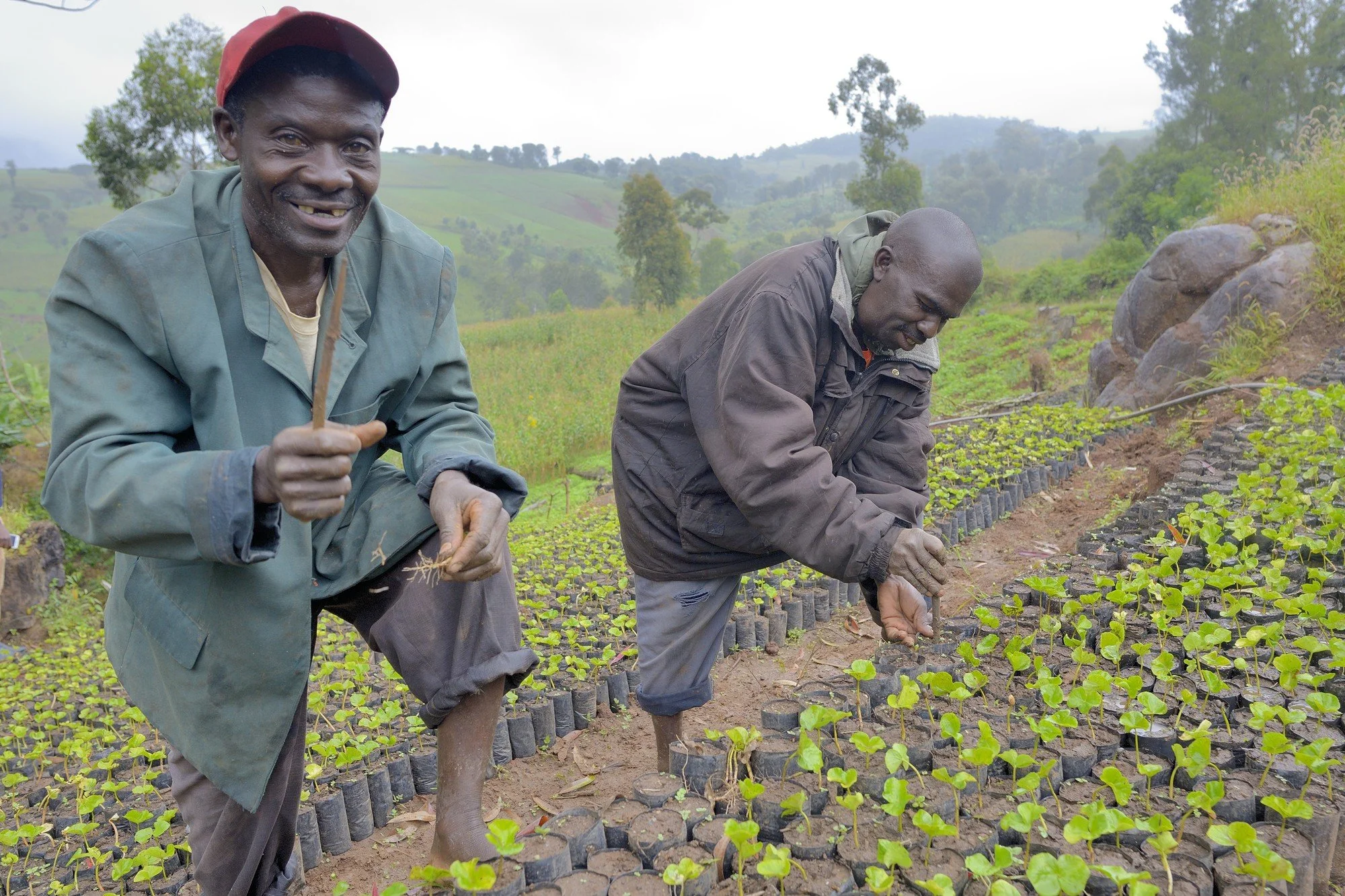
Ediuti Mapunda and another Coffee Mahenge Amcos Farmer in the coffee field

By FairTrade America
Producer’s Name:
Ediuti Mapunda
Location: Tanzania
Co-op name: Coffee Mahenge Amcos
Commodity: Coffee

The Coffee Mahenge Amcos cooperative in Tanzania decided to have a public nursery. The new plants need particular attention and are a special job to grow. Ediuti Mapunda is one of the people in charge of this nursery. He has 8 children and joined the Mahenge cooperative in 2008. He has 1200 coffee plants in his 1 hectare land. He thinks that Fairtrade stimulates sustainable agriculture and better quality. All that makes the cooperative more visible. Thanks to the better income, he was able to buy cattle to diversify his income. Since then, all of his children will have gone, go or will go to school.
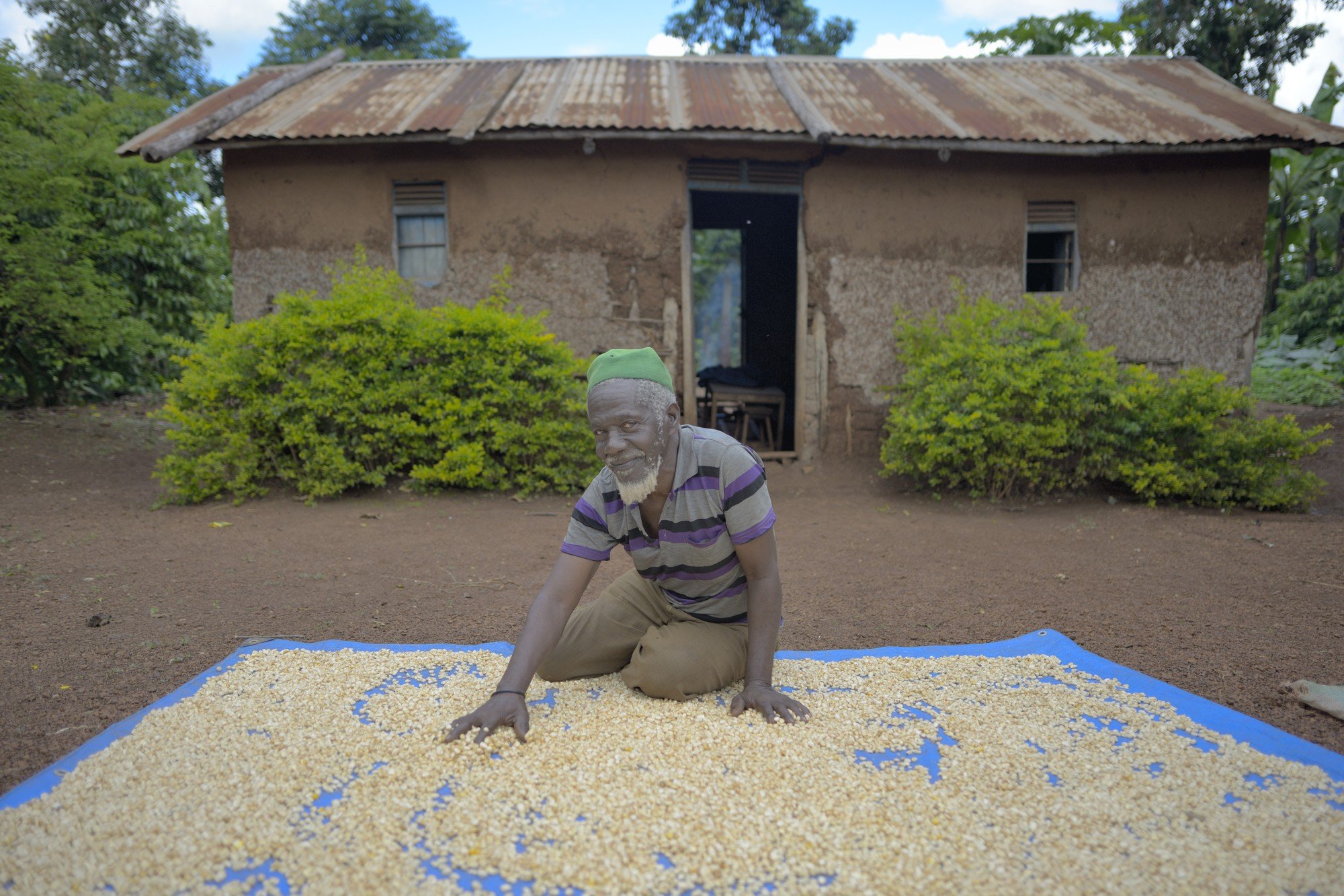
Osmane Badru processing coffee

By FairTrade America
Producer’s Name:
Osmane Badru
Location: Tanzania
Co-op name: KDCU
Commodity: Coffee

Osmane Badru produces white corn to diversify his production. He has 3 hectares where coffee, banana and corn are being produced. He joined the cooperative in 1992. Thanks to his participation in Fairtrade, he was able to pay school fees for his four children.
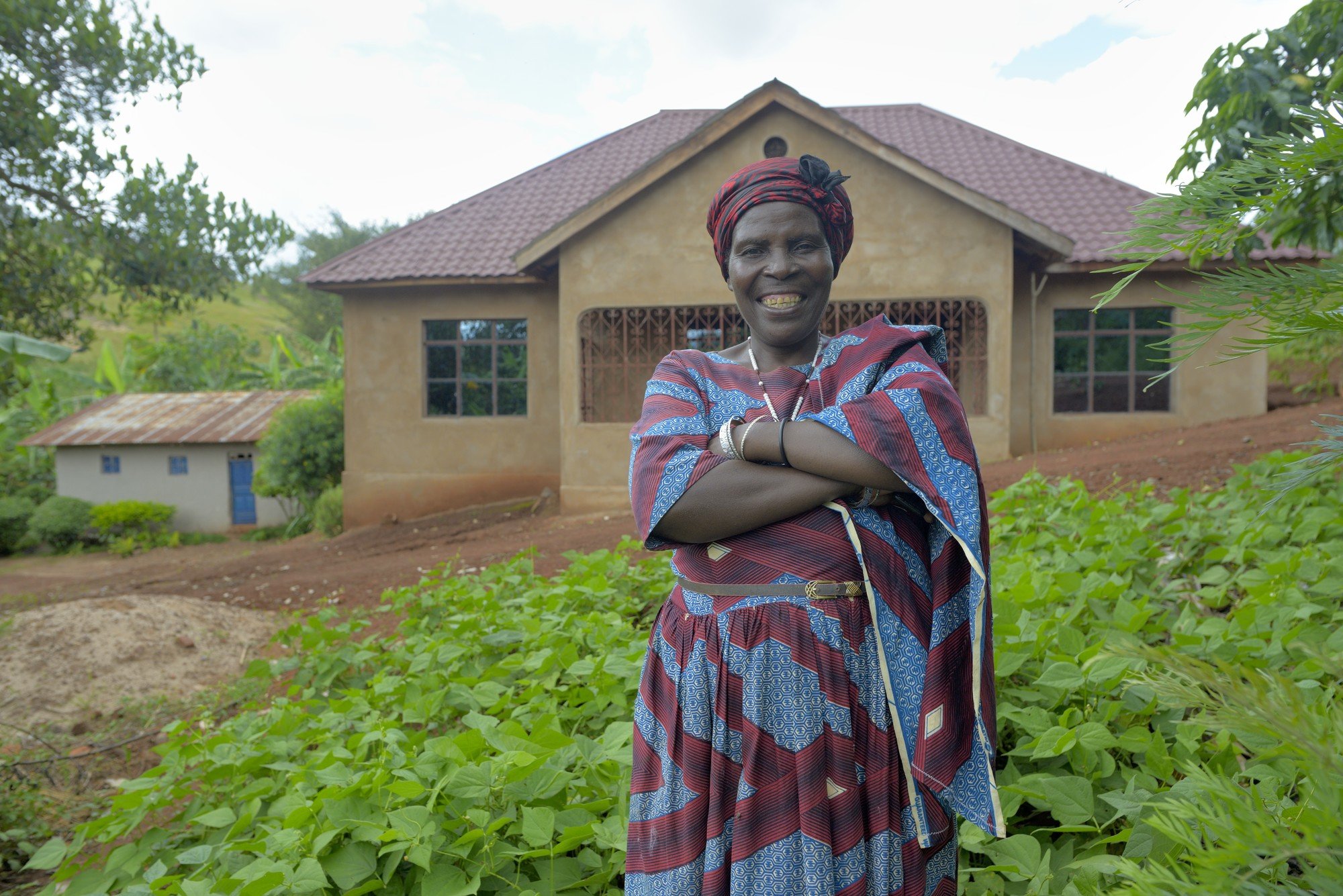
Aquilina France portrait outdoors

By FairTrade America
Producer’s Name:
Aquilina France
Location: Tanzania
Co-op name: KDCU
Commodity: Coffee

Aquilina France joined the cooperative in 2003 after her husband passed away. She has 5 children and belongs to the cooperative board. Thanks to her participation in Fairtrade, she has a nice home--one she says which we couldn't compare to the small one where she lived before.

Celebrate Co-op & Fair Trade Month with us all throughout October!

FairTrade Producer Story

Gacharage Tea Factory Sign

By FairTrade America
Producer’s Name:
Johnson Kihara
Location: Kenya
Co-op name: Gacharage Tea Factory
Commodity: Tea

“Johnson Kihara is one out of approximately 5,000 tea farmers and members of Gacharagae Tea Factory some 200 kilometres north of Nairobi in Kenya. Here the farmers own their own land, harvest and pluck their own tea and deliver it to collection centers before the tea is eventually processed into black tea in the large factory close to village of Mununga.

Photo of tea farmer Johnson Kihara

The factory is owned jointly by the farmers through a loan which they took in 2000 with the purpose of increasing the production, raising the value of their product and generating higher revenues through better access to an international market. In 2006, the farmers chose to certify their production according to international Fairtrade standards in order to achieve a better economic, social and environmental development within both the production and at the community level. Through recurrent inspections, standards compliance are being checked to make sure that development is moving in the right direction. However, sales of the Fairtrade certified tea is crucial – without sales, development may cease.

FairTrade Premium Committee sign

In 2015, Gacharage Fairtrade sales amounted to just three percent of their total production. The rest was sold as conventional tea and thus without the Fairtrade premium that every kilo of sold Fairtrade certified tea otherwise generates. Despite these low sales, Fairtrade premium through their sales amounted to almost 150,000 USD, funds that the farmers have chosen to invest in e.g. trainings on sustainable production, road improvements, electricity, water supply, new classrooms, school material, scholarships to students and a number of income generating projects.”

Celebrate Co-op & Fair Trade Month with us all throughout October!

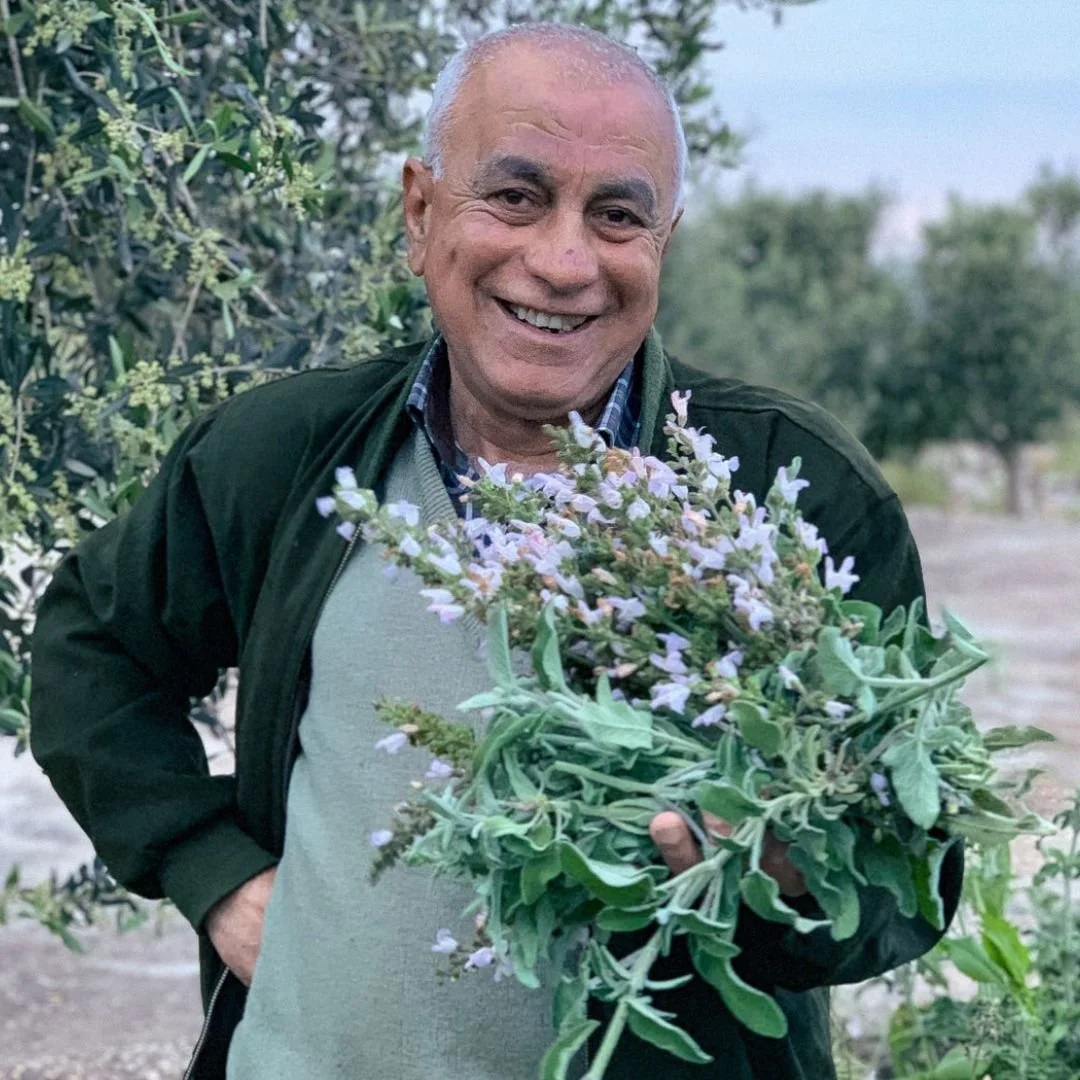
FairTrade Spotlight: Canaan Palestine Olive Oil

FairTrade Spotlight: Canaan Palestine Olive Oil

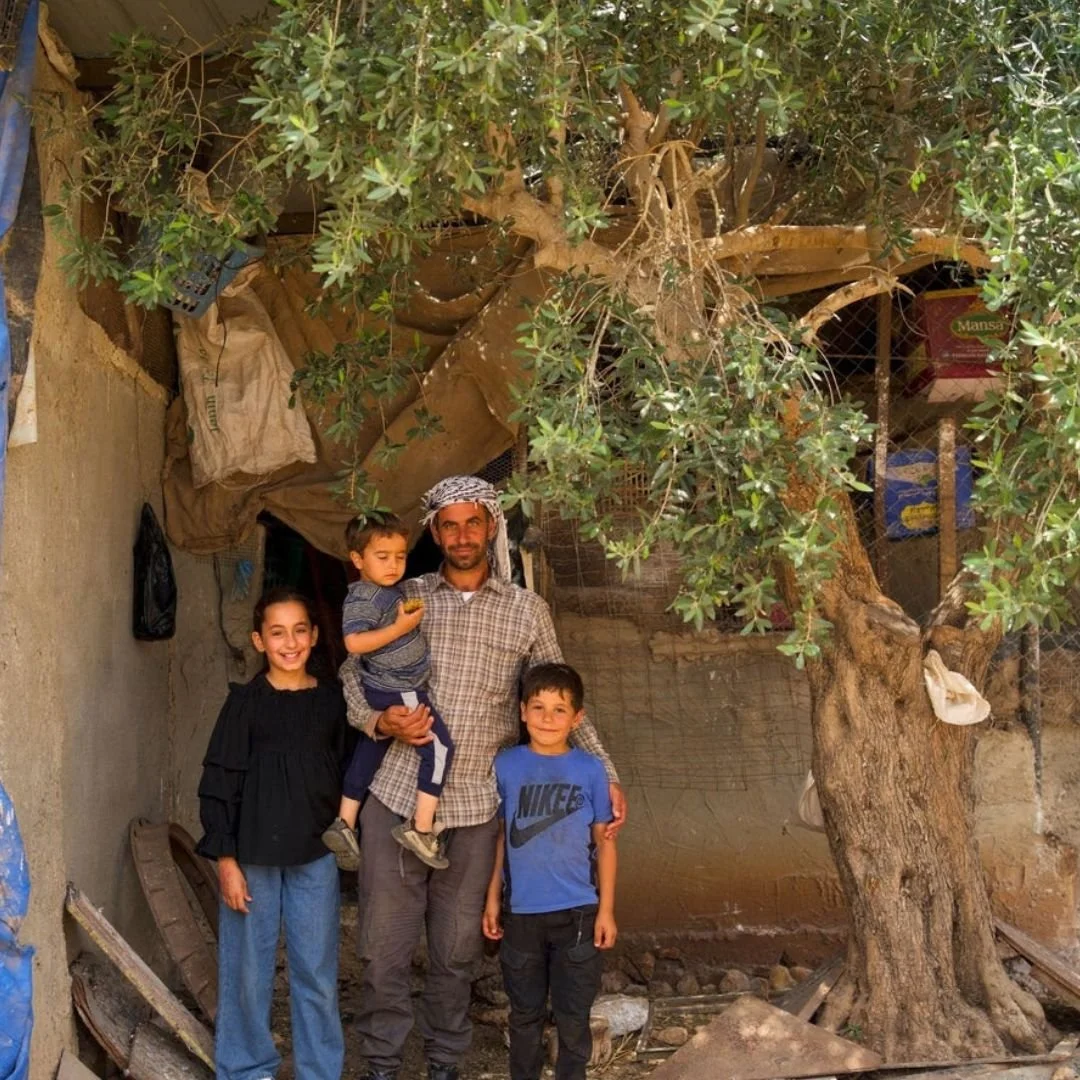
October is Fair Trade Month, the month Canaan was founded in 2004, and the start of the olive harvest in Palestine. What began as a belief that farmers deserve dignity and fair access to markets has grown into a network of more than 2,400 farmers across 52 cooperatives, sustaining families and the fabric of Palestinian agriculture.

Fair trade in Palestine is more than a pricing model. It establishes collective infrastructure. A portion of every liter of olive oil sold contributes to village funds. These funds are controlled locally and support projects such as schools, agricultural equipment, and community development.

Since 2006, more than $1,210,000 USD has been invested back into farming villages through this system. These resources are decided by the farmers themselves, reinforcing leadership, accountability, and community-onented decision-making.

Palestinian farmers work under conditions that are far from ordinary. Access to land can be restricted and political realities create constant instability. Despite these obstacles, the harvest continues. Farmers remain rooted in their groves, 2 preserving agricultural traditions and protecting a way of life that has endured for centuries.

Fair trade strengthens this resilience. It ensuros stable markets, supports cooperative structures, and provides farmers with a platform to work collectively while maintaining individual ownership of their land.

To learn more about Canaan Palestine, visit: www.canaanpalestine.com

Celebrate Co-op & Fair Trade Month with us all throughout October!