FairTrade

Organic BioRevolution: A Case Study in Co-op Power & Environmental Innovation

Organic BioRevolution: A Case Study in Co-op Power & Environmental Innovation

By Equal Exchange

It’s often the case that when you find a kindred spirit, it’s not just one thing you have in common; it’s more like you share some spiritual DNA. Equal Exchange’s co-op supply chain is like an international super highway connecting kindred spirits all working toward changing a broken system through, some might say, radical commitments: democracy, participation, equity, sustainability, innovation.

These ideals and connections aren’t simply theoretical or academic. They are alive, dynamic, and moving actual products—from (often far-away) farms to co-op shopping baskets to homes. By deliberately creating alternative norms and ways of doing business, collectively we are proving that business can be done with delicious and restorative—not extractive—results. 

Co-op Power

Equal Exchange is a co-op owned by its workers. Its mission is to center the work and products of marginalized, small-scale farmers who have banded together into farming co-ops. In many marginalized, far-flung farming communities, government supports are scarce to non-existent, and the farmers’ own cooperative organization builds stability and resources that benefit the community. It’s the farmer co-op, owned and controlled not by outsiders, but by its members, which brings game-changing resources to life, often including fundamental services like education and health care, as well as future-focused resources such as coffee laboratories and compost facilities to continuously invest in their fundamental income source: organic, fair trade coffee.

When Equal Exchange sells to food co-ops in the US, a beautiful, completely cooperative supply chain is connected. Farmer co-op to Equal Exchange co-op to food co-op. While each co-op in the chain is independent, when pieced together, the supply chain prioritizes the needs of the members, independence over corporate influence, and values that extend beyond just the bottom line. The buying and selling of goods and services in this beautiful supply chain builds an alternative norm—and real economic value—through transparency, democracy, and solidarity.

Environmental Commitment

Wupperthal Original Rooibos Co-operative in South Africa.

Photo Courtesy of Equal Exchange

Extractive philosophies are increasingly the norm. Environmentally speaking, the consequences of those practices often hit vulnerable communities the hardest, including many small farming communities. Climate change impacts weather patterns, creating floods or droughts in the wrong seasons, increasingly enabling plant diseases to spread. Chemical inputs for pest control and fertilizers leave soil depleted and plants dependent on a cycle of chemical replenishment. All these practices are costly for farmers and for our shared environmental resources. 

Equal Exchange’s commitment to organic agriculture offers an important alternative. Farmers focus on regenerative techniques that work with their environment instead of against it. They compost farming byproducts and increasingly build organic *living* fertilizers—with good bacteria and microorganisms as the base—to continuously invest in healthy soil and resilient plants. They cultivate not just coffee, but many species of surrounding trees and plants, which serve many purposes: shade (for high-quality coffee), deep root systems (to retain water in farm plots and prevent erosion), and additional crops (for food and/or additional income). Not surprisingly, farming practices that are good for the environment often are good for the farmers tending the lands and ultimately are good for the eaters seeking healthy, clean, delicious food.

Organic BioRevolution Coffee as a Case Study

With 40 years of experience fairly trading with small farmer co-ops, Equal Exchange began to see a trend, and hatched the idea to work with food co-ops here in the US, on a special opportunity. Farmers have many more ideas to apply innovative environmental strategies to their work, but lack the additional resources to bring them to life. What could happen if we created those resources together?

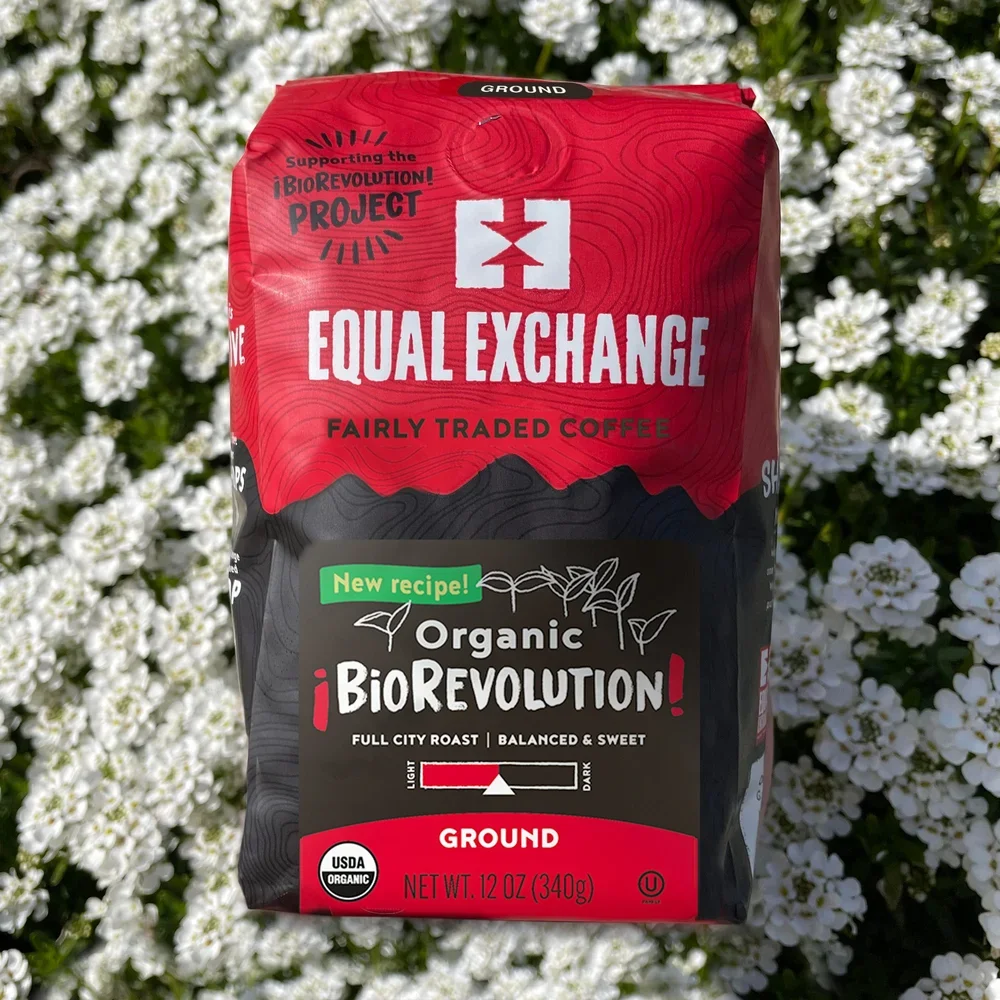
A bag of Equal Exchange Fairly Traded Coffee Organic BioRevolution ground coffee

Photo Courtesy of Equal Exchange

Enter “Organic BioRevolution!” This is a special coffee that has all the “usual” unusual markers of Equal Exchange’s products: it’s organic, fairly traded, sourced from farmer co-ops and roasted by Equal Exchange as a worker co-op. But there’s an added component: with each pound of Organic BioRevolution coffee bought by shoppers, Equal Exchange dedicates an additional 50 cents to fund innovative environmental projects in farming communities. To date, this has generated over $100,000 in funds! The impact is compelling. 

Farmers from 4 countries, representing 8 co-ops, have engaged in projects from the Organic BioRevolution fund. The fund deliberately connects farmers across borders to support farmer-led exchanges, share best practices, and inspire each other. Here are a few words from some of the participants at a gathering in Honduras:

“Despite the great challenges we face everyday whether in the field or wherever we work, there is always a door to keep moving forward. There is always someone who will offer us support to continue developing our capacity, so that we don’t feel like all the doors are closing on us, because there is always a vision for the future.” —Onésimo Ramírez from Chiapas, Mexico, member of the co-op Triunfo Verde

“I am amazed, and I’d like to implement many things in my cooperative based on what I have learned in this exchange. I feel very motivated by what I saw from the farmers here with their entrepreneurship and the added value they create.” —Karina Guadalupe Roblero from Chiapas, Mexico, member of the co-op CESMACH

Part of the beauty of this project is that as coffee drinkers continue to buy Organic BioRevolution, funds keep accumulating, and new ideas keep getting supported.

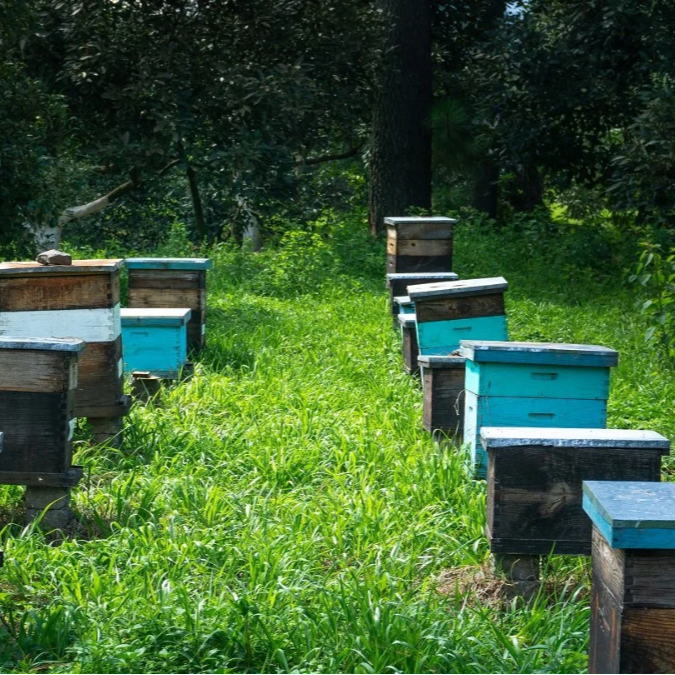
Beehives on a Mexican avocado farm

Photo Courtesy of Equal Exchange

One of the newer ideas gaining momentum is beekeeping. Farmers are incorporating a native stingless bee, the Melipona, into their organic farming strategies. The results are positively compounding: the populations of this native species are rebounding; their natural activities increase the pollination and therefore productivity of the coffee plants; their impact, of course, extends beyond just coffee: these pollinators help all manner of plants and crops thrive, which helps both the humans and the other fauna in these communities. The Meliponas also create a super high-quality honey, which farmers can use in their own traditional medicine practices as well as sell locally, adding an additional income stream. The farmers’ commitment to organic practices, in turn, is a meaningful benefit to these bee populations. Chemical fertilizers and pesticides are a threat to bees and other pollinators; sustainable, organic, innovative farming models allow for a more reciprocal relationship with pollinators (as well as so many other species!). Plant productivity and pollinator populations are not pitted against each other, but rather can benefit each other.

For more information on living soil, coffee, and beekeeping, and impact stories in the farmers’ own words, visit this Organic BioRevolution webpage. Purchase Organic BioRevolution to keep the co-op to co-op to co-op connection, and to keep the impact and innovation flowing.

FairTrade Producer Story

By FairTrade America
Producers’ Names:
Ediuti Mapunda, Osmane Badru, & Aquilina France
Location: Tanzania
Co-op names:
Coffee Mahenge Amcos & KDCU
Commodity: Coffee

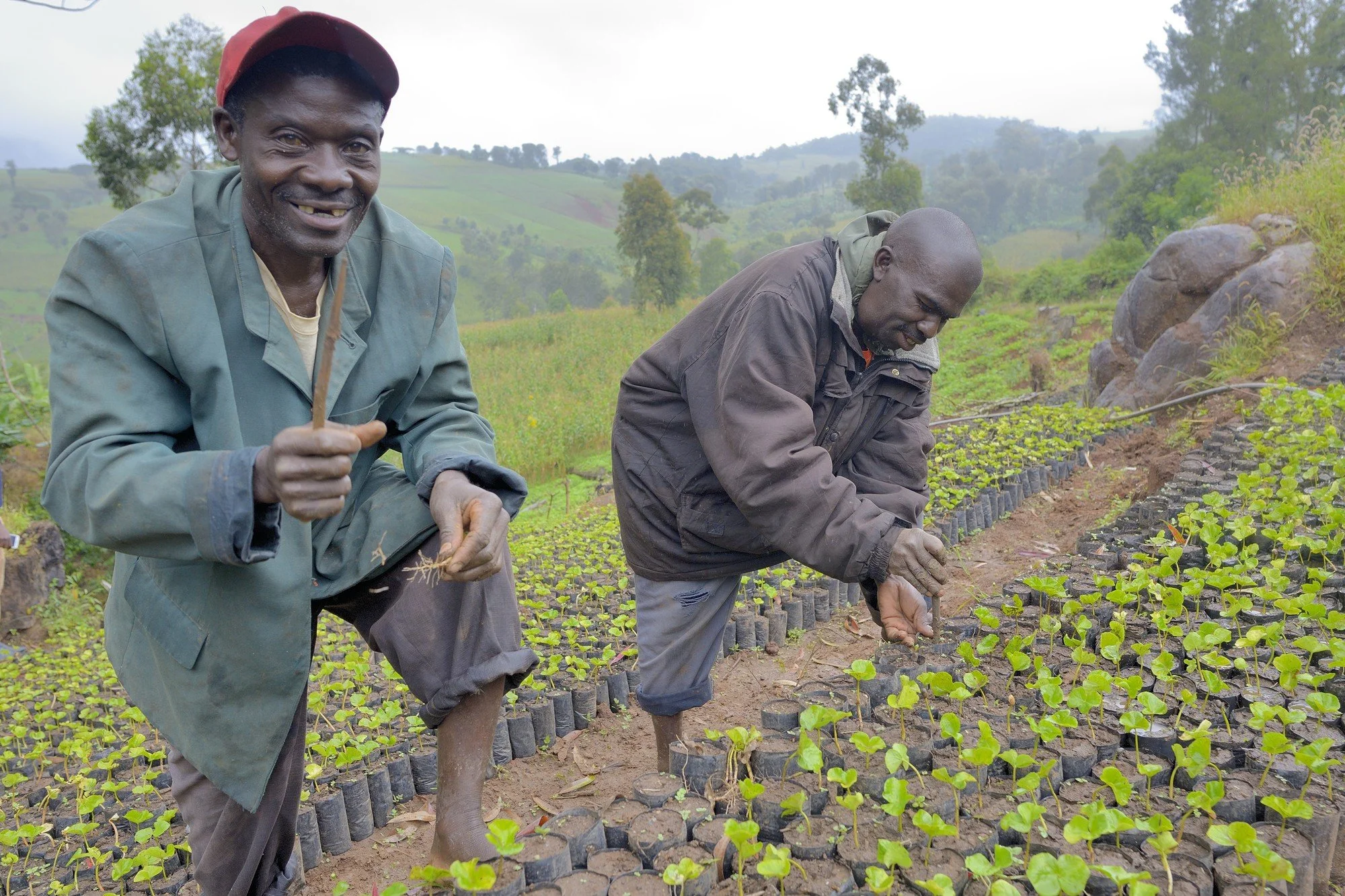
Photo of Tanzanian Coffee Farmer Ediuti Mapunda

“The Coffee Mahenge Amcos cooperative in Tanzania decided to have a public nursery. The new plants need particular attention and are a special job to grow.

Ediuti Mapunda is one of the people in charge of this nursery. He has 8 children and joined the Mahenge cooperative in 2008. He has 1200 coffee plants in his 1 hectare land. He thinks that Fairtrade stimulates sustainable agriculture and better quality. All that makes the cooperative more visible.

Thanks to the better income, he was able to buy cattle to diversify his income. Since then, all of his children will have gone, go or will go to school.
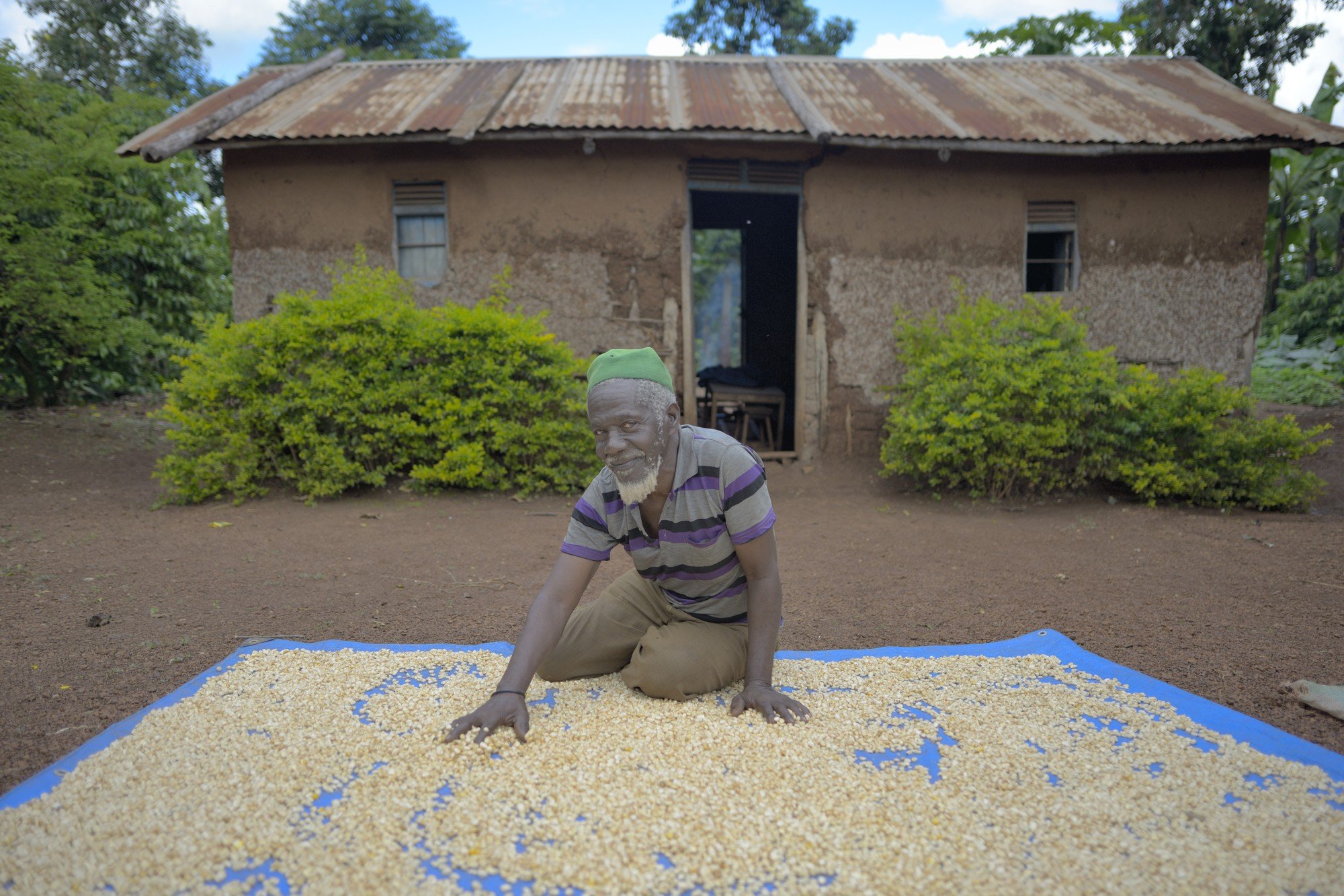
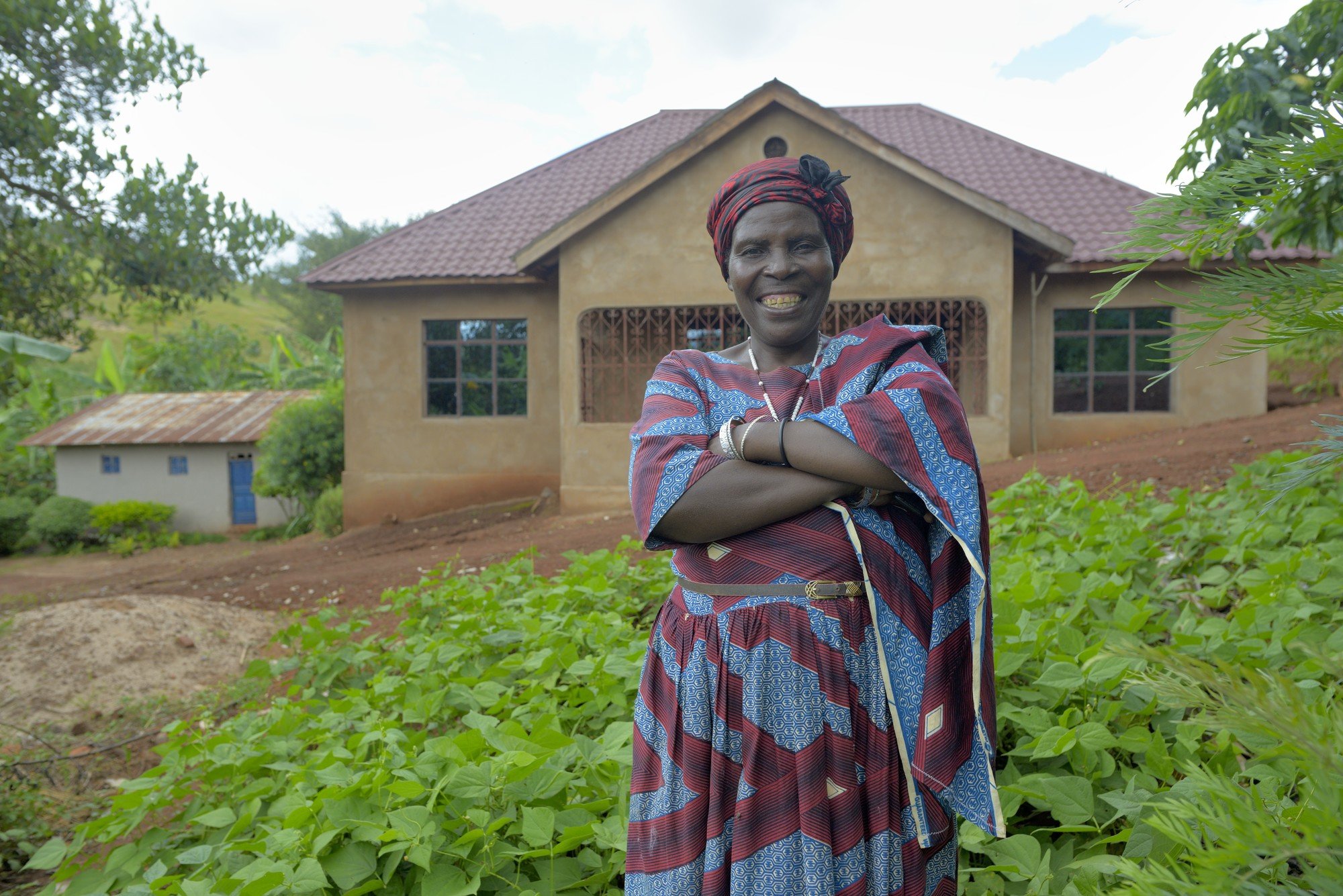
Photo of Tanzanian Coffee Farmer Aquilina France

Aquilina France joined the cooperative in 2003 after her husband passed away. She has 5 children and belongs to the cooperative board. Thanks to her participation in Fairtrade, she has a nice home--one she says which we couldn't compare to the small one where she lived before.
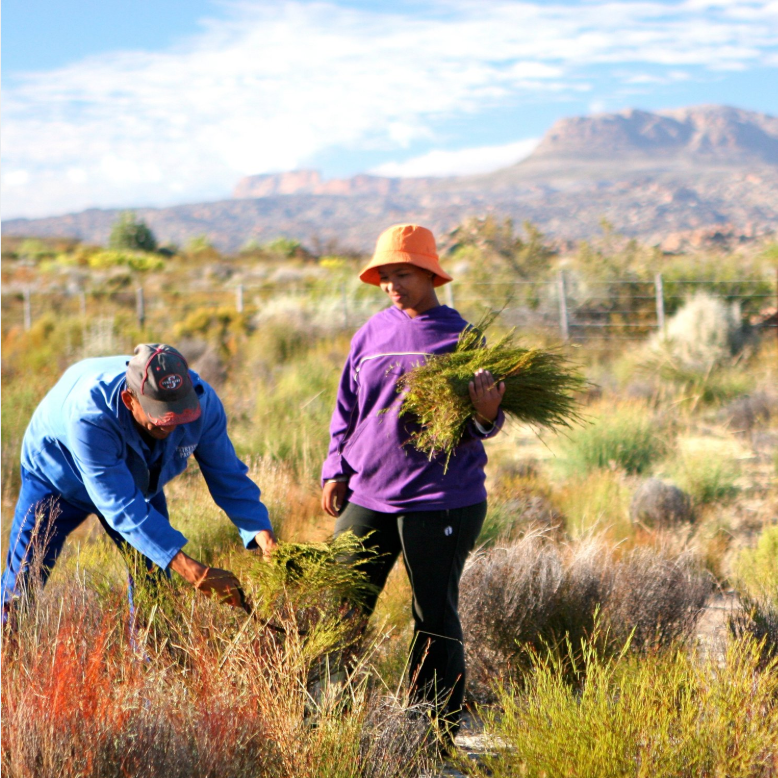
Photo of Tanzanian Coffee Farmer Osmane Badru

Osmane Badru produces white corn to diversify his production. He has 3 hectares where coffee, banana and corn are being produced. He joined the cooperative in 1992. Thanks to his participation in Fairtrade, he was able to pay school fees for his four children.”

Celebrate Co-op & Fair Trade Month with us all throughout October!

FairTrade Producer Story

Gacharage Tea Factory Sign

By FairTrade America
Producer’s Name:
Johnson Kihara
Location: Kenya
Co-op name: Gacharage Tea Factory
Commodity: Tea

“Johnson Kihara is one out of approximately 5,000 tea farmers and members of Gacharagae Tea Factory some 200 kilometres north of Nairobi in Kenya. Here the farmers own their own land, harvest and pluck their own tea and deliver it to collection centers before the tea is eventually processed into black tea in the large factory close to village of Mununga.

Photo of tea farmer Johnson Kihara

The factory is owned jointly by the farmers through a loan which they took in 2000 with the purpose of increasing the production, raising the value of their product and generating higher revenues through better access to an international market. In 2006, the farmers chose to certify their production according to international Fairtrade standards in order to achieve a better economic, social and environmental development within both the production and at the community level. Through recurrent inspections, standards compliance are being checked to make sure that development is moving in the right direction. However, sales of the Fairtrade certified tea is crucial – without sales, development may cease.

FairTrade Premium Committee sign

In 2015, Gacharage Fairtrade sales amounted to just three percent of their total production. The rest was sold as conventional tea and thus without the Fairtrade premium that every kilo of sold Fairtrade certified tea otherwise generates. Despite these low sales, Fairtrade premium through their sales amounted to almost 150,000 USD, funds that the farmers have chosen to invest in e.g. trainings on sustainable production, road improvements, electricity, water supply, new classrooms, school material, scholarships to students and a number of income generating projects.”

Celebrate Co-op & Fair Trade Month with us all throughout October!

FairTrade Spotlight: Canaan Palestine Olive Oil

FairTrade Spotlight: Canaan Palestine Olive Oil

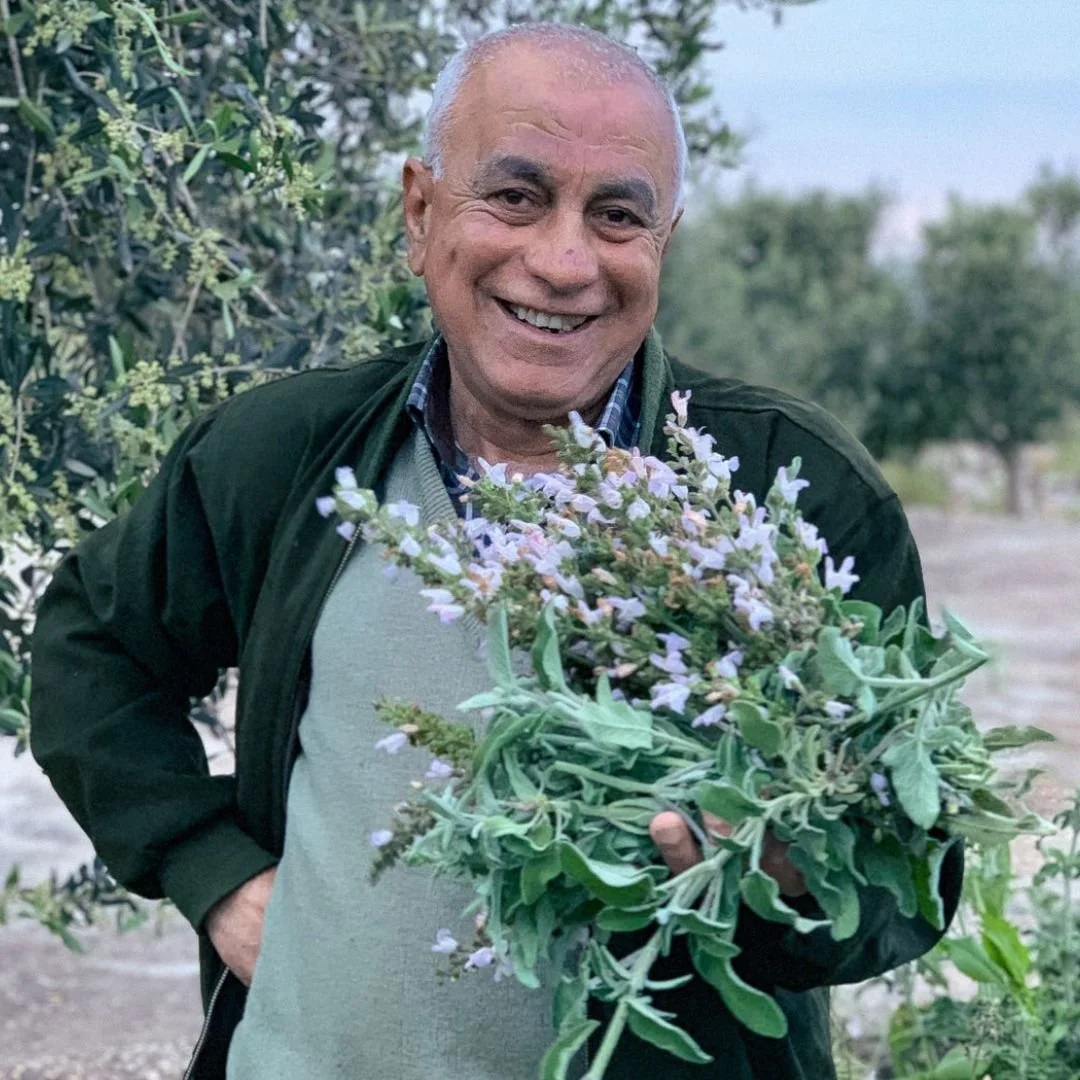
October is Fair Trade Month, the month Canaan was founded in 2004, and the start of the olive harvest in Palestine. What began as a belief that farmers deserve dignity and fair access to markets has grown into a network of more than 2,400 farmers across 52 cooperatives, sustaining families and the fabric of Palestinian agriculture.

Fair trade in Palestine is more than a pricing model. It establishes collective infrastructure. A portion of every liter of olive oil sold contributes to village funds. These funds are controlled locally and support projects such as schools, agricultural equipment, and community development.

Since 2006, more than $1,210,000 USD has been invested back into farming villages through this system. These resources are decided by the farmers themselves, reinforcing leadership, accountability, and community-onented decision-making.

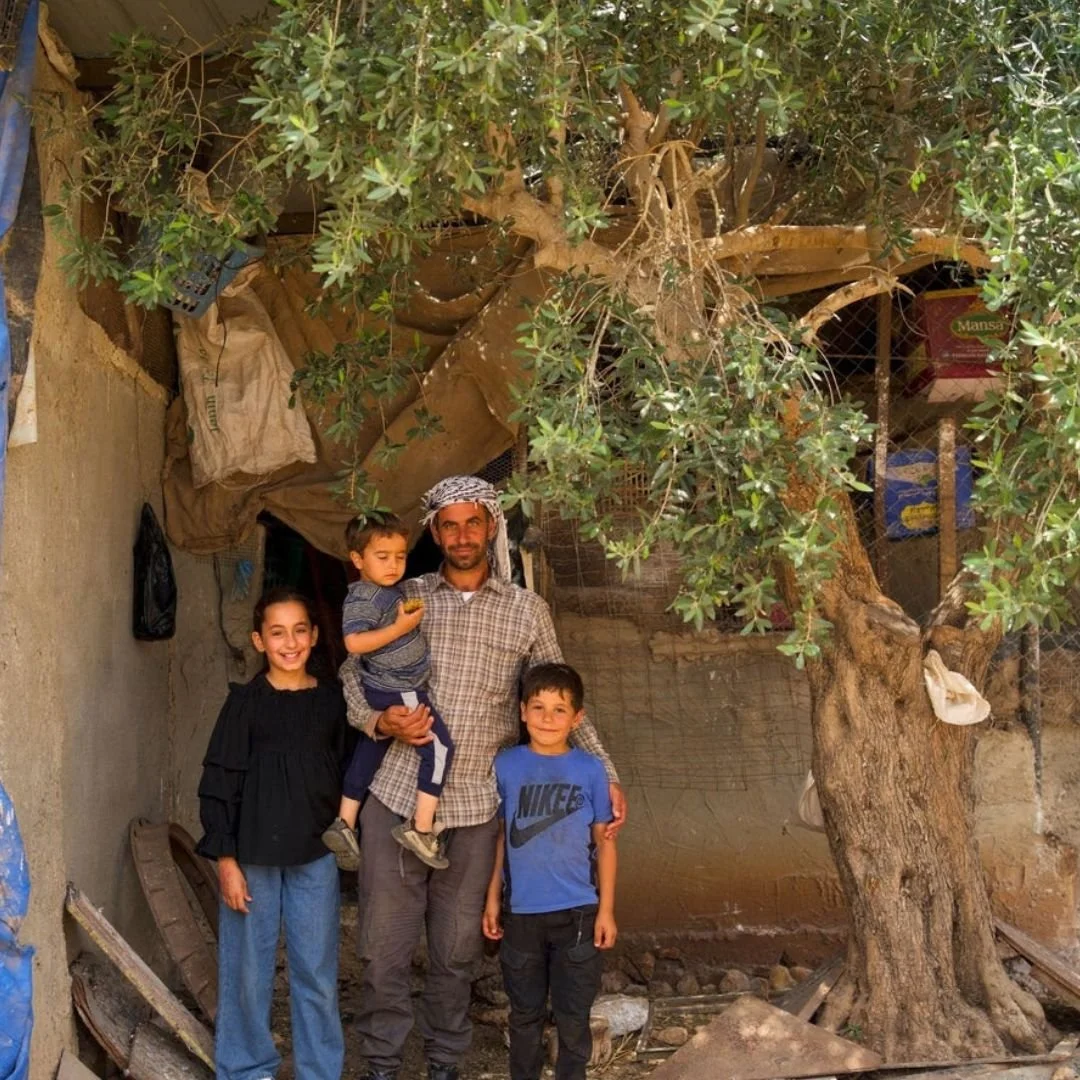
Palestinian farmers work under conditions that are far from ordinary. Access to land can be restricted and political realities create constant instability. Despite these obstacles, the harvest continues. Farmers remain rooted in their groves, 2 preserving agricultural traditions and protecting a way of life that has endured for centuries.

Fair trade strengthens this resilience. It ensuros stable markets, supports cooperative structures, and provides farmers with a platform to work collectively while maintaining individual ownership of their land.

To learn more about Canaan Palestine, visit: www.canaanpalestine.com

Celebrate Co-op & Fair Trade Month with us all throughout October!

FairTrade Producer Story

FairTrade Producer Evelio Ricardo Garcia Cordoba

By FairTrade America
Producer’s name: Evelio Ricardo Garcia Cordoba
Location: Peru
Co-op name: Centro Café
Commodity: Coffee

“My name is Evelio Ricardo Garcia Cordoba. I am 49 years old. Since I was 10 or 12 years old, I have already started growing coffee. At that time I learned coffee production from my father. My father was a coffee farmer. We are seven brothers and sisters in the family. My siblings all studied and worked, only I stayed in agriculture. But coffee growing is going very well in everyday life, so it has done something positive for my life, in which I also raised my children. It is going well on the basis of coffee. And we belong to the cooperative Centro Café. We have been working with this cooperative since its start in 2001, and thank God it has provided us with the facilities. Many thanks also to you that we have Fairtrade.

FairTrade Producer Evelio Ricardo Garcia Cordoba

Fairtrade has taught us what we did not know about coffee. Now we work with more technology, and the cooperative Centro Café even has engineers who are responsible for training and technical support, both for Gropal and for the Association, and they also help the partners. For example, we produce an organic fertilizer that we make ourselves. As you have seen, we have animals, from where we produce manure mixed with the pulp of the coffee, which is an everyday product of ours. We sow coffee and make our own mixtures, which are also influenced by our fertilizing. We have this situation here through tree shadows, from so many manageable shade trees, which are equilateral fruit trees, and we also have wooden trees that are useful to us. This is how we live. It is nice to protect the environment. We live a harmonious life with our family and friends who visit us.

FairTrade Producer Evelio Ricardo Garcia Cordoba

Through Fairtrade we also benefit from lower costs. We take organic fertilizer to have a good production on our coffee plantations. And when it comes to fighting diseases, for example, there is a product that is easy to control. And because we are partners, we get it at a lower cost, for example, half the price. Even if we want to know which of our soils need fertilization, we also have a soil analysis. Such a soil analysis is worth 150. The partner sets 75 soles and 75 is paid by the cooperative, as a support of Fairtrade, and that is good for us, the farmers, to have this equipment.

FairTrade Producer Evelio Ricardo Garcia Cordoba

In Centro Café we have a trial plot today, which is located in the Champol area, also within the Fairtrade framework. There are also some new varieties of seedlings that are newly produced and have a very good taste (good cupping coffees). So, as long as I am able, I would like to continue working as a coffee farmer and from there my children will see how it will be, but in the meantime I would like to continue growing my coffee varieties, now also with these new varieties that practically motivate us to plant.

FairTrade Producer Evelio Ricardo Garcia Cordoba

I would like to tell them that we, as coffee farmers who have dedicated ourselves to coffee, are anxious to sell an even better one - with great care, under healthy, hygienic conditions and well-prepared coffee. Even before sowing and harvesting, we are concerned about ensuring that the beans are well shucked, fermented and dried so that they (the consumers) can enjoy our product, which we produce here.

Apart from the coffee, we also benefit from Fairtrade in the families. My wife used to work with small animals. Fairtrade helps us a lot that we have a certain economic income for the families by selling coffee, and that is good.”

Celebrate Co-op & Fair Trade Month with us all throughout October!